
Greek
Recorded in Athens, Smyrna, Constantinople and the diaspora, 1900s–1930s
These sides span the years 1927 through 1946. Dance names run through the titles: hasapiko on four sides, horos on three, sirtos and syrtos on three each, zeibekiko and kalamatiano on two apiece, with tsamiko, vlahiko, and a single tango among the rest. Most sides fall in the 1923–46 gray era; the rest remain unclassified.
Antonios Sakellariou is credited on six sides—among them Limneikos Horos, Argitikos Sirtos, Dekaneas, and a Mikrasiatiko from 1941—and A. Sakellariou on five more, including Nisiotiko Hasapiko and Kehayias Zeibekiko. Kostas Gadinis holds three; Gus Gadinis Orchestra and C. Gadinis Orch. add further dance sides. Sophia Vembo appears twice, with Zehra in 1935 and Mi Me Rotate in 1938.
Roza Eskenázi sings Gia na xereis with G. Kamvisis in 1936; Rita Abatzi offers O Perivolaris; George Katsaros takes Ego Yia Sena Xenihto and Vre Manga To Maheri Sou, Giorgos Katsaros O Vangelis O Bekris. The hearth holds Misirlou in a 1942 recording credited to Tetos Demetriades and N. Roubanis—an Eastern Mediterranean folk song whose earliest known recording is a 1927 Greek rebetiko piece, already played by Greek, Arabic, and Jewish musicians and popular in the Greek-American, Arab-American, and Armenian-American communities. Elsewhere Ioanna Georgakopoulou and Vassilis Tsitsanis share I Gerakina, Stellakes Perpiniades gives Ego Thelo Prinkepesa, and K. Bezos brings both To Tango tou Mystiriou and O kaymos tou Tsopanou.
Athens, in their time
Six decades of Athens, from the 1896 Games to the refugee years. Photographs from the Library of Congress, the Deutsches Archäologisches Institut and Wikimedia Commons.
Press any photograph to open it full size — the player keeps going behind it.
Figures on record
Every card is a genuine photograph of the artist, credited to its source. Performers of this era often left no portrait behind — where none survives, we show nothing rather than a stand-in image. Pick a figure to pull their recordings up.
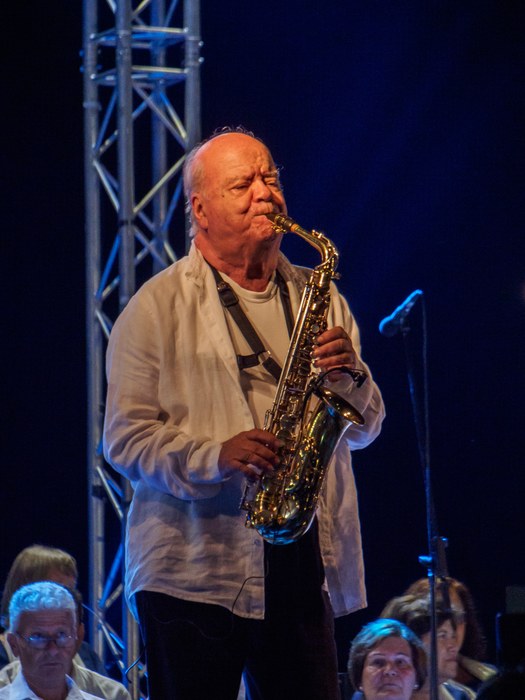
Greek musician and songwriter.
Portrait via Wikimedia Commons — see file page for licence 📰 Evening star (Washington, D.C.), 1952-03-22 +2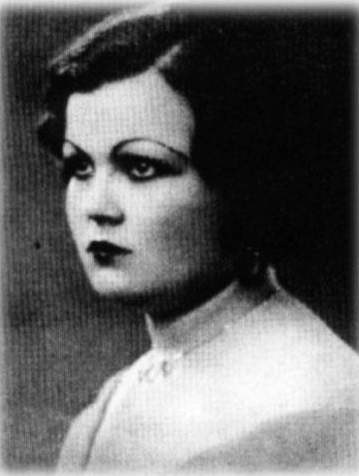
Greek rebetiko musician (1914–1969).
Portrait via Wikimedia Commons — see file page for licence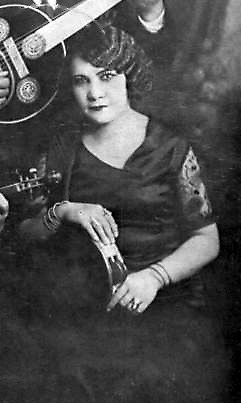
Greek singer.
Portrait via Wikimedia Commons — see file page for licenceThe music-makers and the dress
10 period photographs of this hearth's own music-makers and dress, every one dated from its source's own records. Pictures are shown as documentary record, credited to the holding collection; anything here is removed on request. Sources: Wikimedia Commons (10).
Press any photograph to open it full size — the player keeps going behind it.
Restored Recordings
Every track below is a remaster. Press play on the full sequence, or pick a single recording.
🇬🇷 Alma Gluck and Efrem Zimbalist - Elegie (1912) · Remastered
🇬🇷 Giovanni Apostolu - Marco-botsaris (1902) · Remastered
🇬🇷 Jascha Heifetz - Chorus of Dervishes (1917) · Remastered
🇬🇷 Váša Příhoda - (A) Air (1922) · Remastered
Adonis Sakellariou - Himariotikos and O Grivas
AMANES-ZEIBEKICO
Antonios Sakellariou - Argitikos Sirtos
Antonios Sakellariou - Dekaneas
Antonios Sakellariou - Limneikos Horos
Antonios Sakellariou - Mikrasiotiko
Antonios Sakellariou - Sarki
Antonios Sakellariou - Two Greek Dances From 1930s
Apopse den kimithika
Arapiko Sirto
Argitikos Sirtos
Ase Ton Paliokosmo Na Ley
Asker
Ayse
CHOROS A GTO GTO
D Perdikopoulos and S Perpiniadis - Orea Egotissa
Davelis
Dio Mavra Matia
Elenaki mou
George Katsaros - Ego Yia Sena Xenihto
George Katsaros - Vre Manga To Maheri Sou
Georgios Xenopoulos - Mana Me Ta Pedia
Georgios Xenopoulos - Marikaki S'agapo
Giorgos Katsaros - O Vangelis O Bekris
Giorgos Papasideris - Min Kles Marouso Mou
Greek Dance Ensemble - MYTILINIA Kalamatiano and GARSONA Hasapiko
Gus Gadinis Orchestra - Aebali Zeibekikoi
Gus Gadinis Orchestra - Xemerose E Anatoli
Hasapikos
HASAPIKOS HOROS
Horis pote na pio Krasi
Ine martirio i zoi
Ioanna Georgakopoulou and Vassilis Tsitsanis - I Gerakina
KALAMATIANOS (LIOSAN TA HIONIA)
Kapio mistiko
Karavokiris Sirtos
Kastrianos Syrtos
Ke sis pedia kaymena
Kehayias - Zeibekiko
Kostas Gadinis - Ke Sis Pedia Kaymena
Kostas Gadinis - Ta Hilakia Sou
Kostas Gadinis - Vlahothanasis
KRHTIKO SRYTO (Kritiko Syrto)
Kritikos Syrtos
Limneikos Horos
Mana me ta pedia
Marikaki
Marikaki s' agapo
Mas pigan exoria
MATIA
MATIA OLOMAVRA
Me Ti Retsina Ti Glykia Mou
Melanouraki
Mes' tin skotoura mou
MI FIGIS
Mikrasiatiko Zeybekiko
Militsa
Min Kles Marouso mou
Misirlou
Mourgo Mousolini
Nisiotiko Hasapiko
None legible
O kaymos tou Tsopanou
OAA ∑OY T'ARA∏Ω
Pentozalis
Peristeroula
Pexe Tsigane
Politiko Zeybekiko
PSEFTOMIHANI
Rita Abatzi - O Perivolaris
Roumanikos Horos
Saranta meres perpato
Sarki Sirto
SE LIPAME
Signomi Sou Zito
SIRTOS (APTON-AI-GEORGE)
Sophia Vembo - Mi Me Rotate (Do Not Ask Me)
Sophia Vembo - Zehra
Sta dio sou Matia ehis magniti
Stambolou
SYLOGISOU NINON
SYRTOS; GREEK DANCE
Ta hilakia sou
TA MATIA TIS T' ARAPIKA
Tagmatarhis Velisariou
Tetos Demetriades - Two Greek Songs from 1920s
Title in Greek
To Tango tou mystiriou
TRELLO HASAPIKO
Tsimpliari Hirohito
Vari Hasapikos
Vlahiko Hasapiko
Yiati, Yiati, Yiati
Zehra
Για να ξέρεις - Gia na xeris
Εγώ θέλω πριγκηπέσα - Egō Thelō Prinkēpesa
About the restoration
Every recording here is a historical track sourced from a public archive and remastered through a purpose-built chain — the same fixed chain for every file, no machine-learning enhancement. The aim is simple: sound better, and meet YouTube's audio standards. Rights status differs per recording and sources are credited where known; anything still in copyright is published with attribution and removed on request. The surface noise of the original transfer is still audible, because removing it completely would mean removing the recording too. How the restoration works →