Time Travelers United logo Time Travelers United
Restoration Project
Home › Artist Library

Artist Library

Every artist in this archive who left a photograph behind, with the sides they made. Each portrait is credited to its source. Performers whose likeness never survived the era are still credited on their recordings — this page simply does not put a stand-in face on a real person.

35 artists every one with a surviving portrait 15 traditions
2 artists

Armenian

9 restored recordings on the Armenian page.

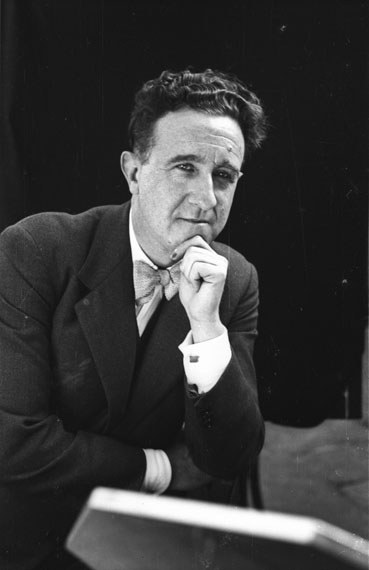
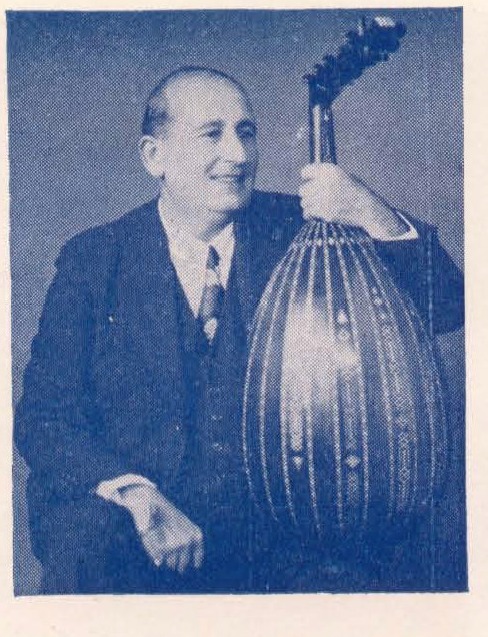
Marko Melkon

Marko Melkon

Oud and voice — kef music of the Ottoman diaspora · 1895–1963

Born in Smyrna and known in full as Marko Melkon Alemsherian, he fled the Ottoman Empire for Athens in 1912 as non-Muslims were being drafted, and from there went to New York. There he became one of the defining players of kef music — the Ottoman nightclub repertoire the diaspora carried with it — singing in Turkish, Armenian and Greek, and holding down long residencies on Eighth Avenue. Canary Records calls him a legend of the style; his 1958 LP was his swan song. He died in New York in 1963.

With his oud, from his LP sleeve
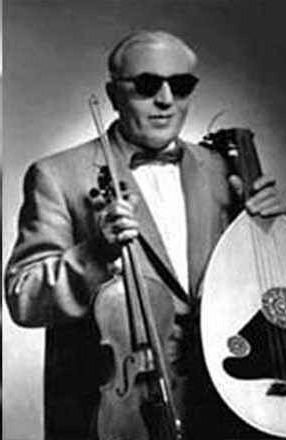
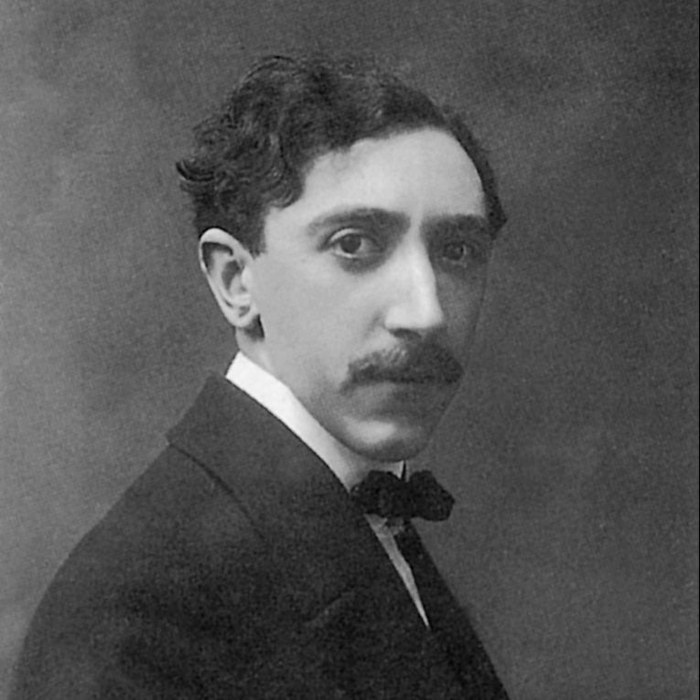
Udi Hrant

Udi Hrant

Oud — Ottoman and Armenian classical · 1901–1978

Hrant Kenkulian, called Udi Hrant — 'oud-player Hrant' — and blind from two months old. Born in Adapazarı, he took up the oud at sixteen during the deportations, learning from a fellow Armenian deportee in Konya and keeping the instrument under his bedcovers. He became the model for Armenian oud playing, celebrated above all for his taksim improvisation, and in 1969 he conferred the title of udi on five American students, among them Richard Hagopian and John Berberian. He toured the United States from 1950 almost every second year, recorded on his own Hrant label in Detroit, and died in Istanbul in 1978. He recorded for Odeon-era Istanbul labels and his sides reached this archive through the Turkish hearth.

With violin and oud
2 artists

Basque

7 restored recordings on the Basque page.

Gabriel Olaizola

Gabriel Olaizola

Bass & choir director · 1891–1973

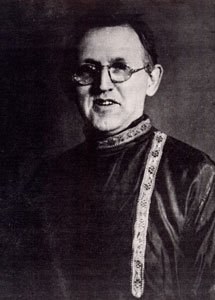
The Hernani bass who founded and directed the Eresoinka choir — the Basque ensemble whose sides carry this hearth's folk songs.

CC BY-SA 4.0 — Jesús Elósegi / GureGipuzkoa, 1937
4 restored recordings
Jesús Guridi

Jesús Guridi

Composer · 1886–1961

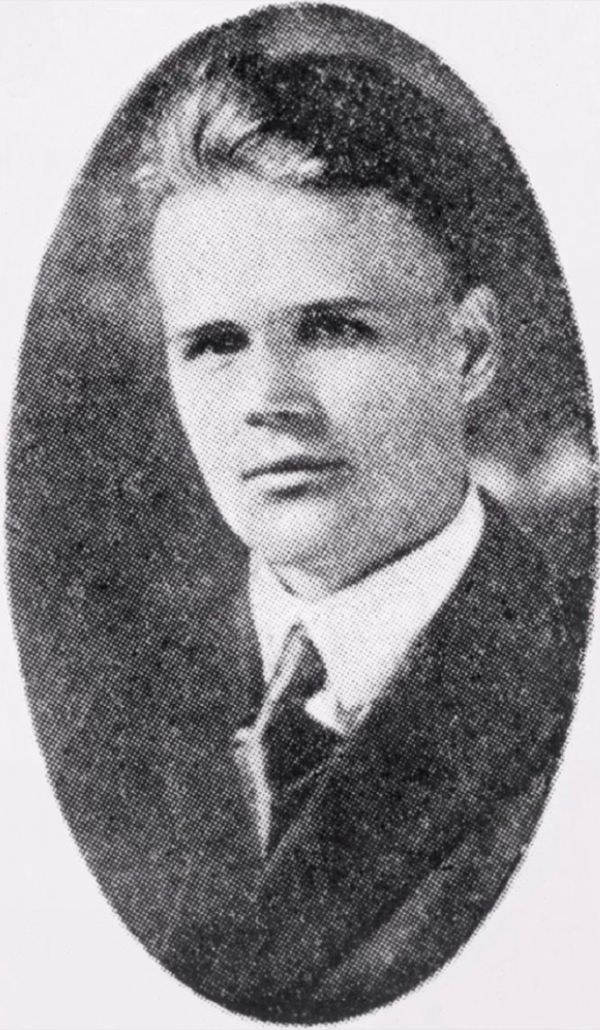
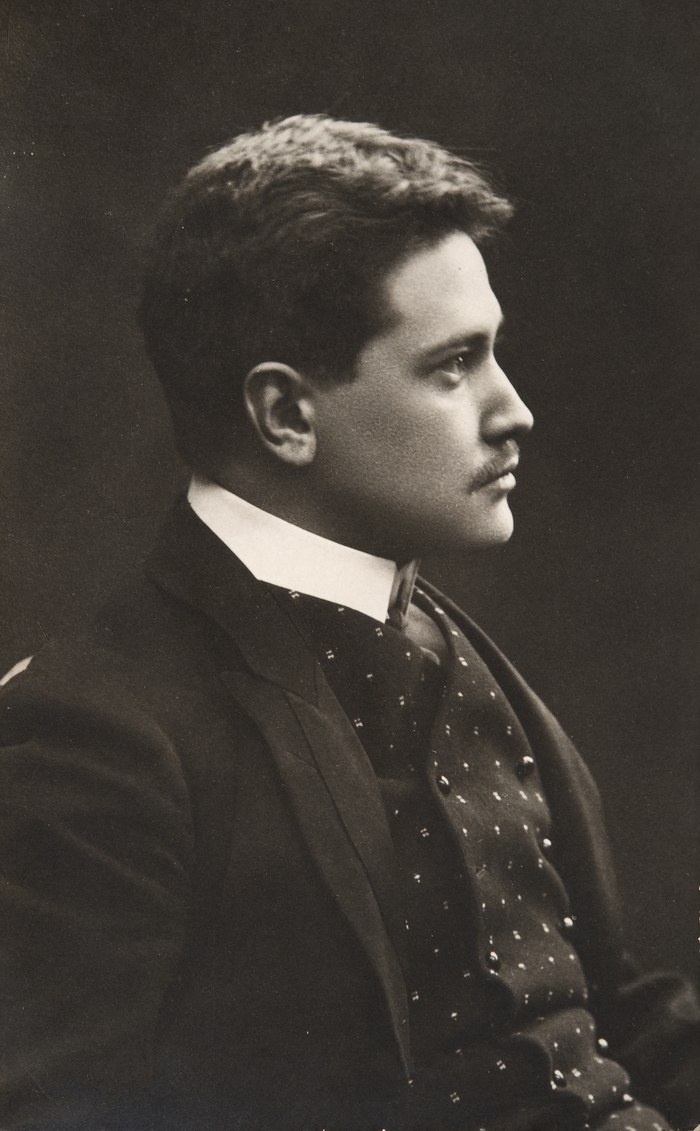
Basque composer of 'El caserío', the 'Diez melodías vascas' and 'Amaya' — the man who put the Basque countryside into the concert hall.

Photographer unknown, 1915
6 artists

Egyptian

37 restored recordings on the Egyptian page.

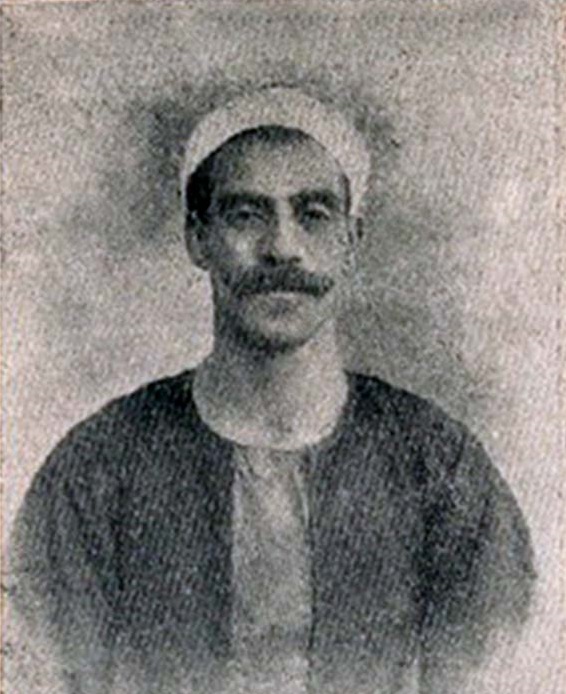
Sayed Safti

Sayed Safti

Sheikh & reciter · 1875–1939

Sheikh Sayed El-Safti began recording as early as 1907 and was still cutting discs in the 1930s, carrying the authority of a man trained in religious recitation into the commercial studio.

Public domain
8 restored recordings
Youssef El Menialawi

Youssef El Menialawi

Voice — munshid and dawr singer · 1850–1911

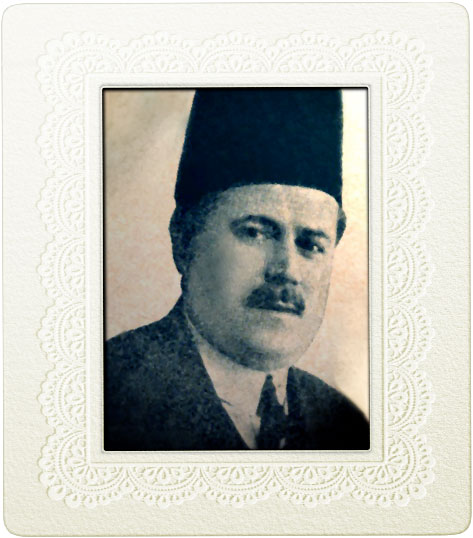
Born Youssef Khafagi al-Menialawi and named for Manial al-Rawda in Cairo, he was one of the sheikhs of Egyptian song — a munshid who sang the dawrs of Abdu al-Hamuli and Muhammad Uthman, and one of the last of the old school before the record industry changed the music. His fame travelled: in 1888 he went to Istanbul and sang before Sultan Abdülhamid II. He died in 1911, and his sides reach this hearth through the Egyptian pool. The encyclopedia of Arab music notables records that he died in 1911, after recording discs for the Gramophone Company — a timeline that fits the 1909 sides in this archive.

Period photograph
5 restored recordings
Asmahan

Asmahan

Voice & film · Syrian-born · 1912–1944

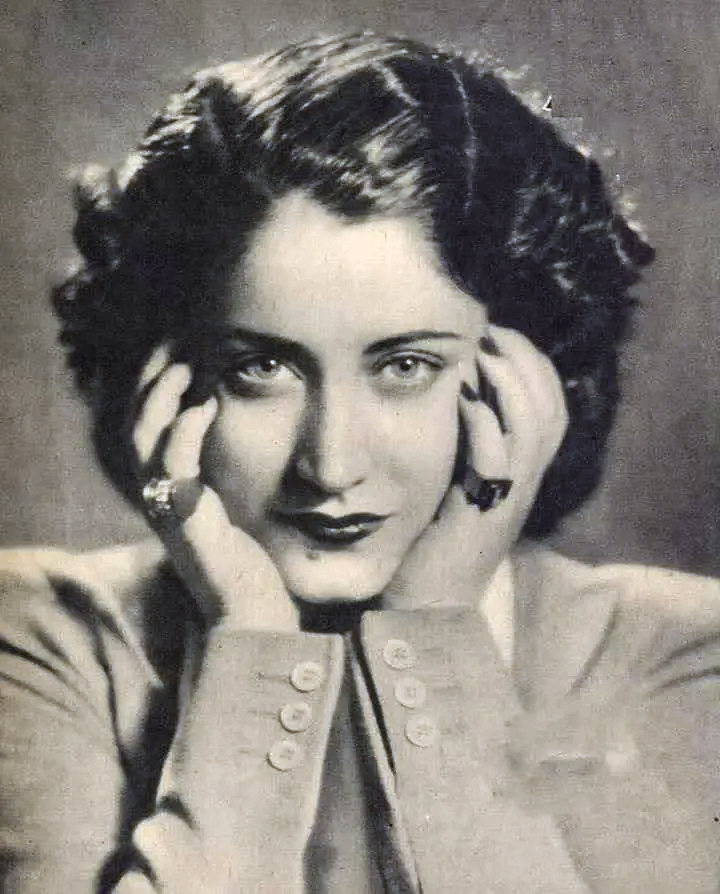
Born Amal al-Atrash into the Druze al-Atrash family and raised in Egypt from the age of three, Asmahan was one of the very few voices to rival Umm Kulthum. She died in a car crash in 1944, at thirty-one, and the circumstances are still disputed.

Public domain
4 restored recordings
Zaki Mourad

Zaki Mourad

Singer & hazzan

A singer, composer and religious cantor (hazzan) respected across Cairo, and the father of Leila Mourad, who became one of Egyptian cinema's biggest stars.

Photo: Mithaq.g · CC BY-SA 4.0
2 restored recordings
Cheikh Abou el Ela Mohamed

Cheikh Abou el Ela Mohamed

Voice — Cairo

Billed on his own label as 'Cheikh Abou el Ela Mohamed, Caire'. The disc carries the period genre stamp 'ARABIAN MALE SONG' and an Opera Disc Company order number — an American label whose 'Musica' imprint served imported and reissued records for immigrant listeners.

Public domain, 1920s
1 restored recording
Umm Kulthum

Umm Kulthum

Voice · d. 1975

The most famous Arab singer of the twentieth century, and the standard against which every other voice on these records was measured.

Public domain
1 restored recording
6 artists

Finnish

13 restored recordings on the Finnish page.

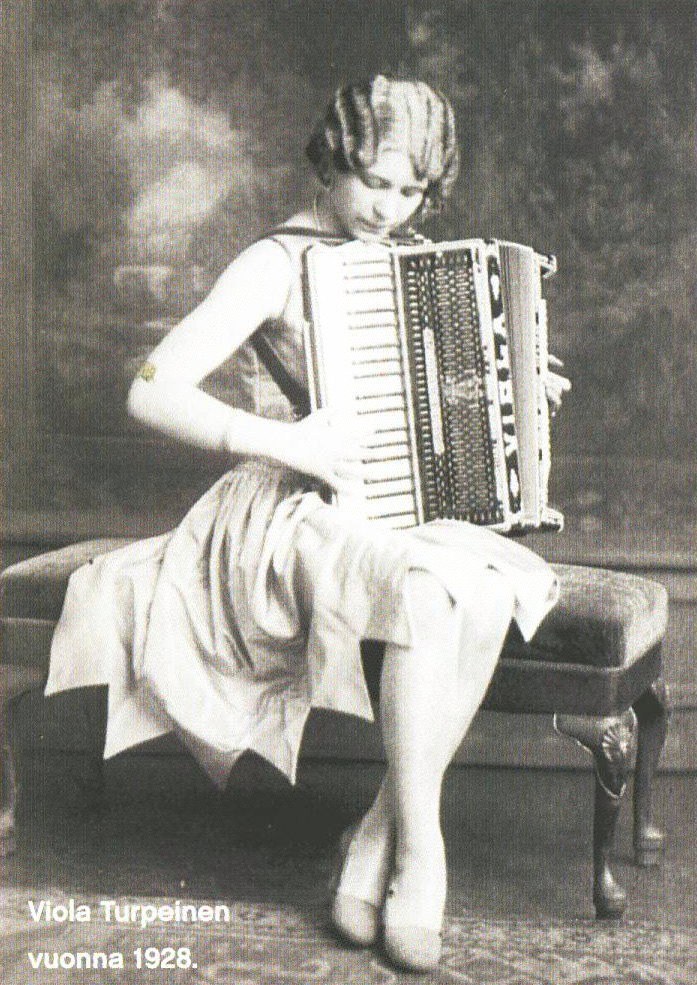
Viola Turpeinen

Viola Turpeinen

Accordionist · 1909–1958

A Finnish-American accordionist from the Upper Peninsula who led her own trio at a time when very few women fronted a recording band — the Turpeinen Trio polkas on this hearth are hers.

Public domain — Photographer unknown, 1928
3 restored recordings
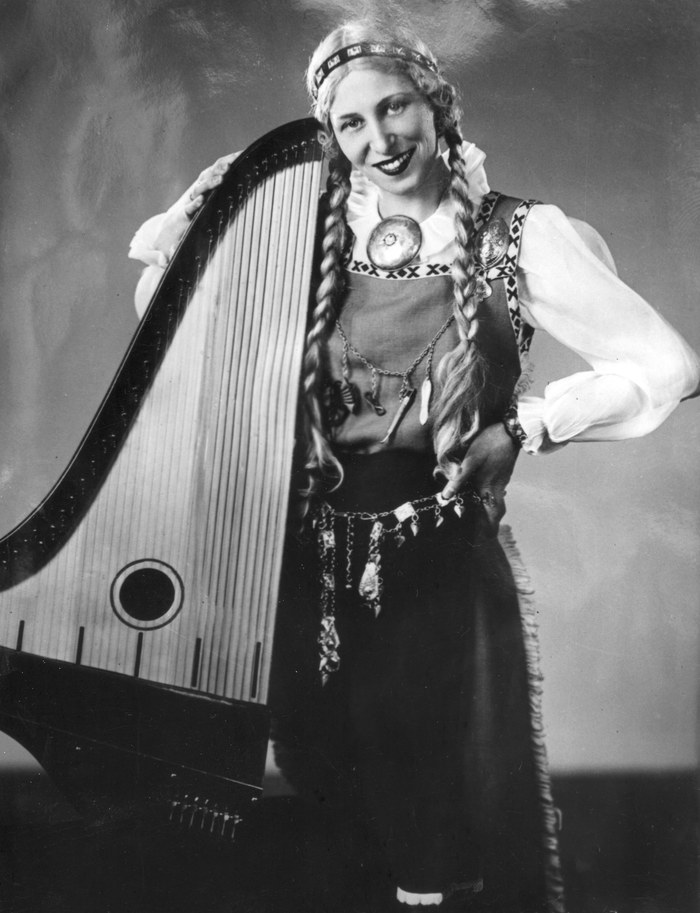
Ulla Katajavuori

Ulla Katajavuori

Kantele · 1909–2001

The virtuoso who carried Finland's national instrument out of folk display and onto the concert stage, playing in national costume and usually the only woman on the bill.

Public domain — Tenhovaara studio, 1930s
2 restored recordings
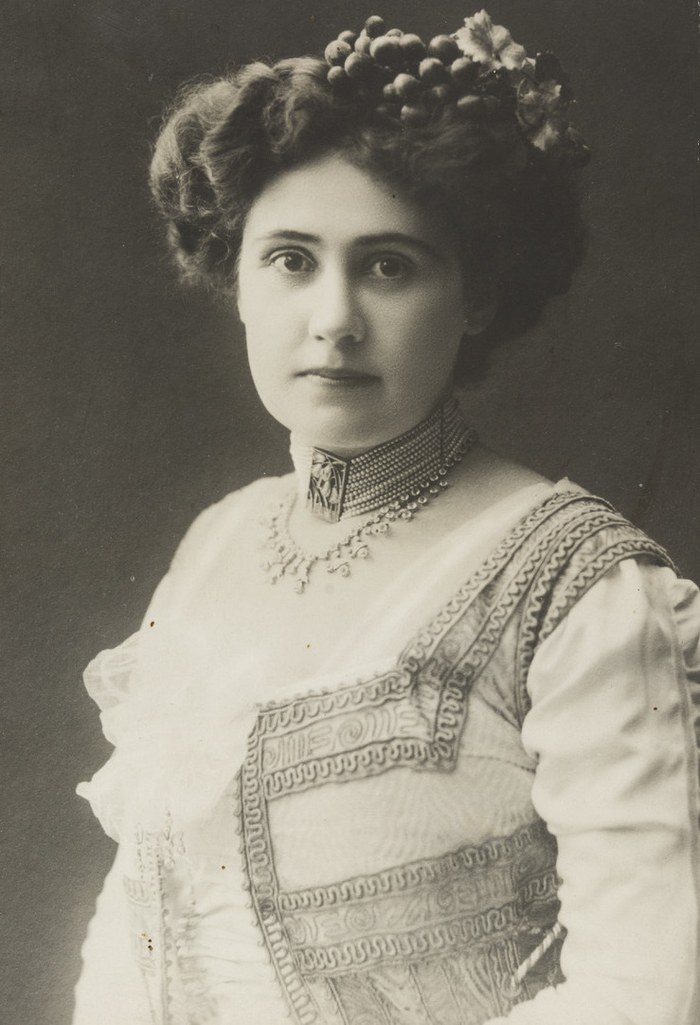
Aino Ackté

Aino Ackté

Soprano · 1876–1944

Finland's first great international voice: she sang at the Paris Opéra and at Covent Garden, and later founded the opera festival at Savonlinna. Her 1902 side is one of the earliest Finnish voices ever put on disc.

CC BY 4.0 — Finnish Heritage Agency (Museovirasto)
1 restored recording
Arvo Hannikainen

Arvo Hannikainen

Violinist · 1897–1942

Concertmaster of the Helsinki City Orchestra from 1923 until his death, and a teacher of a whole generation of Finnish violinists.

Public domain — National Library of Finland, 1933
1 restored recording
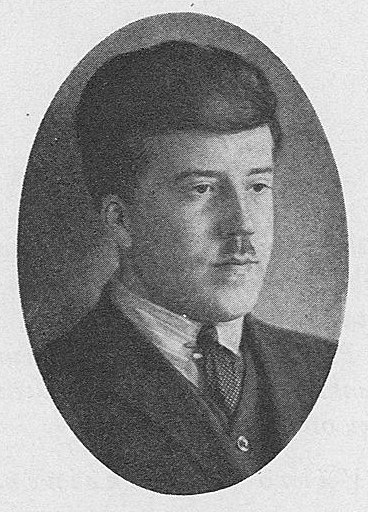
Otto Pyykkonen

Otto Pyykkonen

Tenor · 1890–1972

A Finnish-American kupletti singer who left for the United States in 1913, studied singing at Waukegan and sang with the New Yorkin Laulumiehet; he cut thirty-two titles for Columbia.

Public domain — Photographer unknown, 1921
1 restored recording
Selim Palmgren

Selim Palmgren

Composer & pianist · 1878–1951

Composer-pianist in the Liszt line whose miniatures were played across Scandinavia and the United States, where he spent the war years on tour.

Photographer unknown, c. 1910s
1 restored recording
1 artist

French

58 restored recordings on the French page.

Pol Plançon

Pol Plançon

Bass · 1851–1914

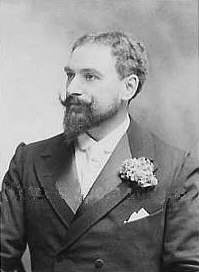
French operatic bass, one of the most acclaimed singers of the 1880s to the 1900s, and among the earliest international opera stars to have made records. His Votre toast from Carmen is in this archive.

Wikimedia Commons — the source file carries no author statement
1 restored recording
1 artist

Hungarian

59 restored recordings on the Hungarian page.

Don Gabor

Don Gabor

Records founder — Hungarian · 1912–1980

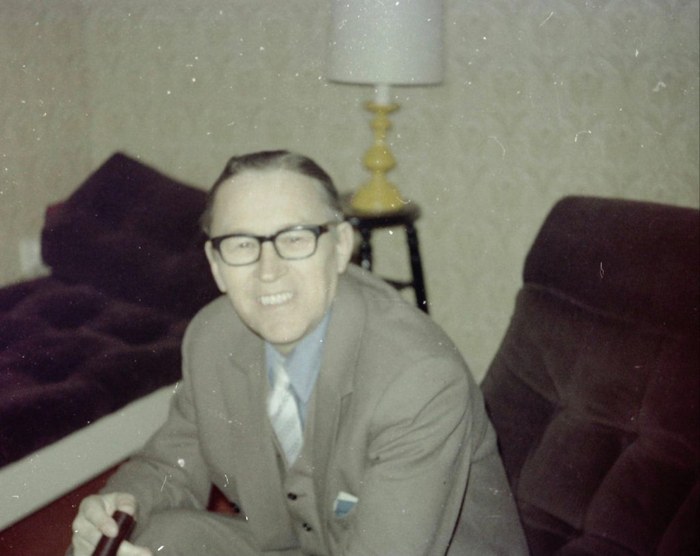
Budapest-born founder of Continental Records (1942) and Remington Records (1950). His name rides on the polka and Baltic-American series he issued — Continental's Polish and Lithuanian listings included — but the label man himself is Hungarian.

© soundfountain.org — family archive
2 artists

Irish

153 restored recordings on the Irish page.

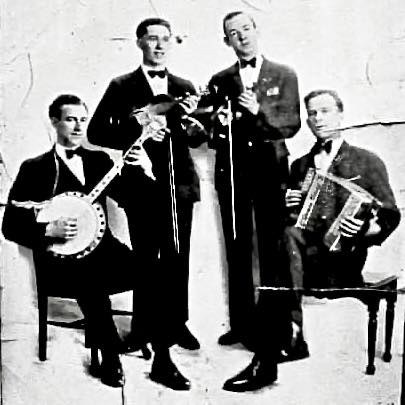
Paddy Killoran

Paddy Killoran

Fiddler & bandleader · 1904-1965

Fiddler from Ballymote, Co. Sligo who led his own orchestra in New York, standing with Coleman and Morrison among the Sligo masters.

Photograph c. 1929, New York
23 restored recordings
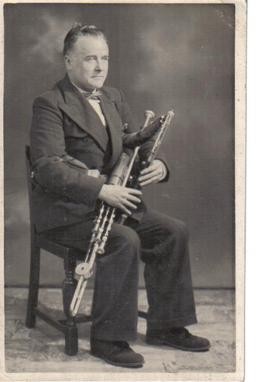
Leo Rowsome

Leo Rowsome

Uilleann piper & pipemaker · 1903-1970

Third generation of an unbroken line of uilleann pipers - performer, maker and teacher, and the best-known Irish piper of the recording era.

Leo Rowsome, uilleann piper
7 restored recordings
2 artists

Italian

55 restored recordings on the Italian page.

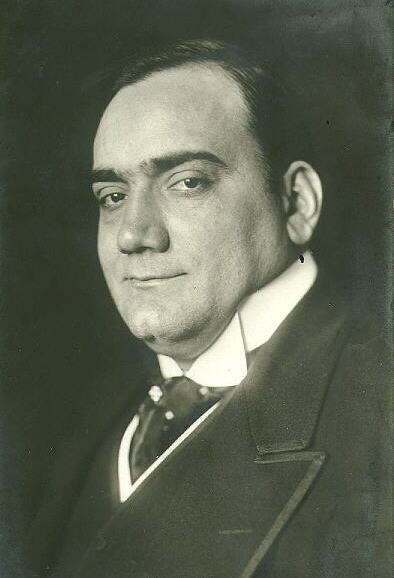
Enrico Caruso

Enrico Caruso

Tenor · 1873–1921

Italian operatic tenor whose records made him the most famous voice of the era. The Italian hearth holds his sides from 1901 to 1921, from La donna è mobile to the Faust prison scene.

Postcard, ca. 1910
30 restored recordings
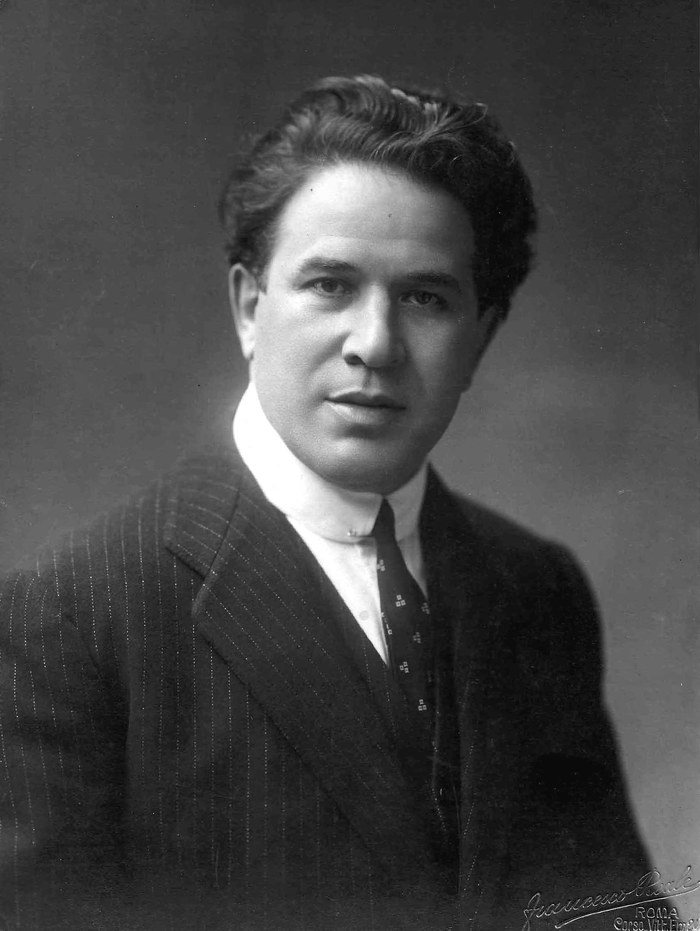
Titta Ruffo

Titta Ruffo

Baritone · 1877–1953

Italian baritone known as the Lion of Pisa, among the most recorded voices of the acoustic era. He sang Leoncavallo and Mozart on the sides held here.

Studio portrait, 1920s
3 restored recordings
3 artists

Latvian

10 restored recordings on the Latvian page.

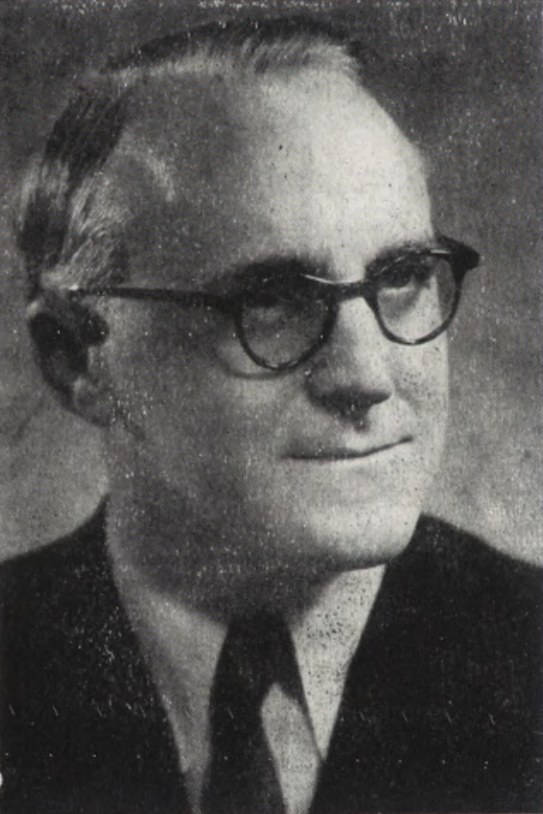
Austris A. Wihtol

Austris A. Wihtol

Composer & choir director · 1889–1974

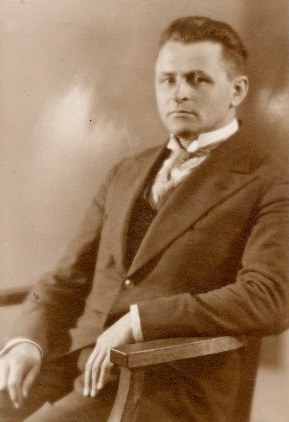
Latvian-American composer and choir director, the man behind the hymn 'My God and I' — three of his sides are restored on this hearth.

All rights reserved — © pelecalasitava.lv — 1936 photograph
3 restored recordings
Alfreds Vinters

Alfreds Vinters

Composer & bandleader · 1908–1976

Riga-born schlager composer, singer and bandleader who spent his later life in Stockholm — a fixture of Latvian dance-band records from the 1930s onward.

© Jānis Zālītis / latviesi.se
1 restored recording
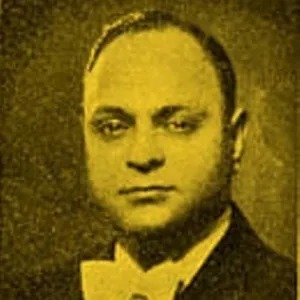
Teodora Reitera

Teodora Reitera

Conductor · 1884–1956

The conductor behind 'Reitera koris' — his choir, credited in the genitive on Latvian discs of the 1930s — and a defining figure of Latvian choral singing.

Photographer unknown, 1920s
1 restored recording
1 artist

Lithuanian

16 restored recordings on the Lithuanian page.

Mikas Petrauskas

Mikas Petrauskas

Composer, tenor & conductor — Lithuanian · 1873–1937

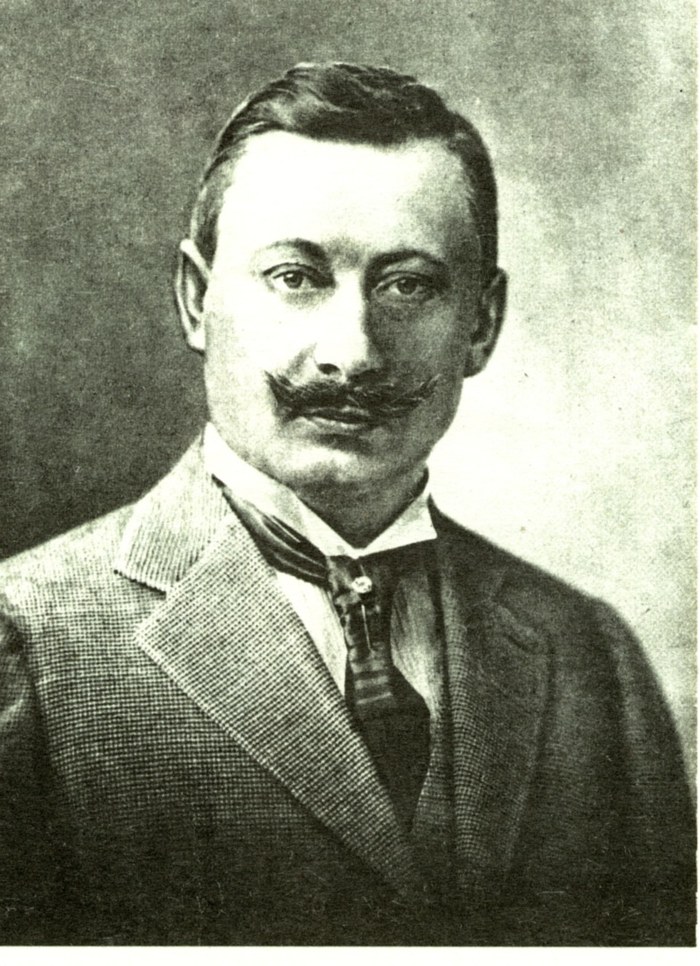
Organist, tenor, conductor, and the composer of the first Lithuanian national opera. He wrote 'Skamba kankliai ir trimitai', the folk love song Juozas Šidlauskas cut for Edison in 1925 — which is how he reaches this hearth. The portrait is from *Lietuvos albumas* (Kaunas / Berlin, 1921).

Lietuvos albumas, Kaunas / Berlin, 1921 — public domain
1 restored recording
1 artist

Polish

57 restored recordings on the Polish page.

Brunon Kryger

Brunon Kryger

Accordionist & bandleader — Polish · 1899–1951

'King of the Polkas', born in Łódź in 1899 and billed to American audiences as a Polish bandleader. His orchestra cut Lithuanian polkas as readily as Polish ones, and those sides stay on the Lithuanian hearth; his own card belongs to the Polish one.

International Polka Association Hall of Fame
2 artists

Slovak

19 restored recordings on the Slovak page.

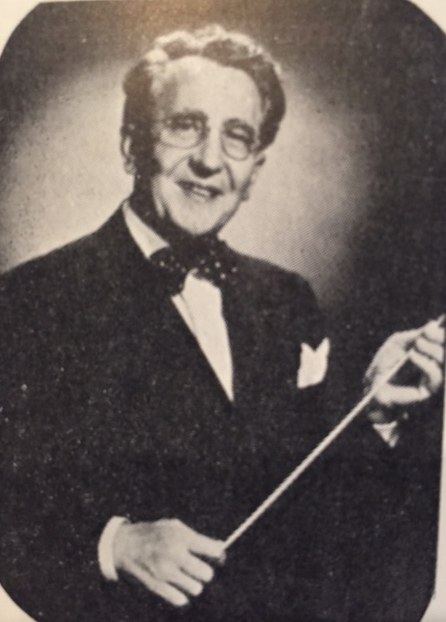
Alexander Moyzes

Alexander Moyzes

Composer · 1906–1984

The Slovak neoromantic, long a central figure of Slovak musical life and the founder of a composing dynasty that runs to the present day.

old.hc.sk
1 restored recording
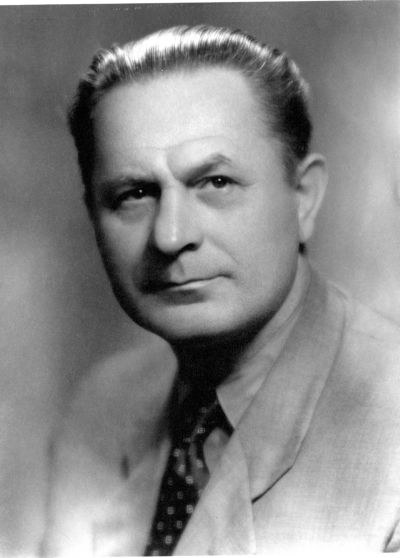
Eugen Suchoň

Eugen Suchoň

Composer · 1908–1993

Slovakia's best-known twentieth-century composer, whose 'Krútňava' built a national opera out of village speech and folk melody.

Supraphon, 1968 (anonymous)
1 restored recording
1 artist

Turkish

10 restored recordings on the Turkish page.

Şükrü Tunar

Şükrü Tunar

Clarinet — Turkish sanat music · 1907–1962

The first name Turkish music reaches for when it reaches for a clarinet. Born in Edremit, he taught himself the instrument — never took a lesson on it — and worked his way through the İzmir and Üsküdar music societies, the mehter, and the Istanbul and Ankara radio orchestras. He played the saxophone as well and composed songs of his own, but it was the clarinet that made his name: his zeybek, çiftetelli and sirto playing and his taksims were regarded as unmatched. He died on stage — a heart attack at the Cumhuriyet Gazinosu on 15 July 1962, while accompanying Zeki Müren. His records reach this hearth as 'Klarinet Şükrü'.

Period photograph
1 restored recording
1 artist

Ukrainian

68 restored recordings on the Ukrainian page.

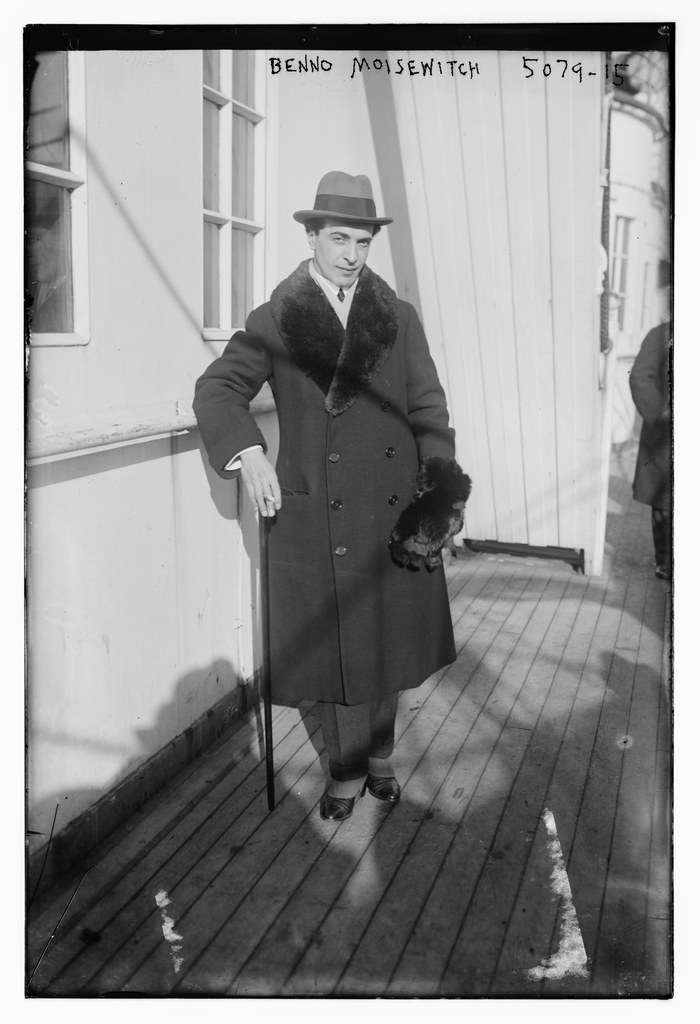
Benno Moiseiwitsch

Benno Moiseiwitsch

Pianist — Ukrainian-Jewish · 1890–1963

Odessa-born, London-based, one of the great Romantic virtuosos of the 78 era. The sides that brought him into this archive are Finnish repertoire pressed in Finland, and they remain on the Finnish hearth; the man belongs to the Ukrainian one.

Bain News Service, 1920 (Library of Congress)
4 artists

Welsh

38 restored recordings on the Welsh page.

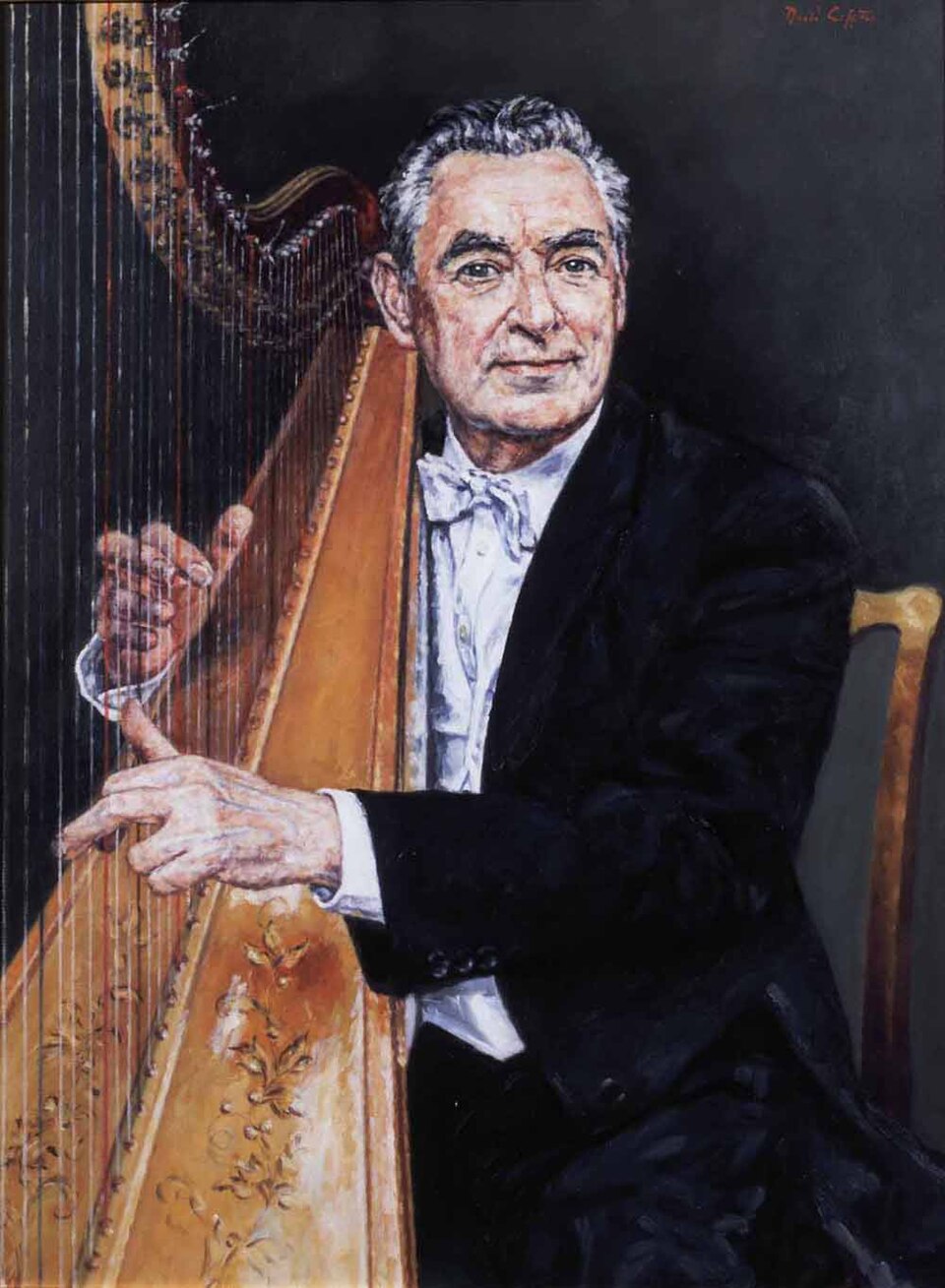
Osian Ellis

Osian Ellis

Harp · 1928–2021

Born at Ffynnongroyw in Flintshire, Ellis became principal harpist of the London Symphony Orchestra and a founding member of the Melos Ensemble. His long partnership with Benjamin Britten put the Welsh harp in the middle of modern British music.

Photo: David Griffiths · CC BY-SA 3.0
8 restored recordings
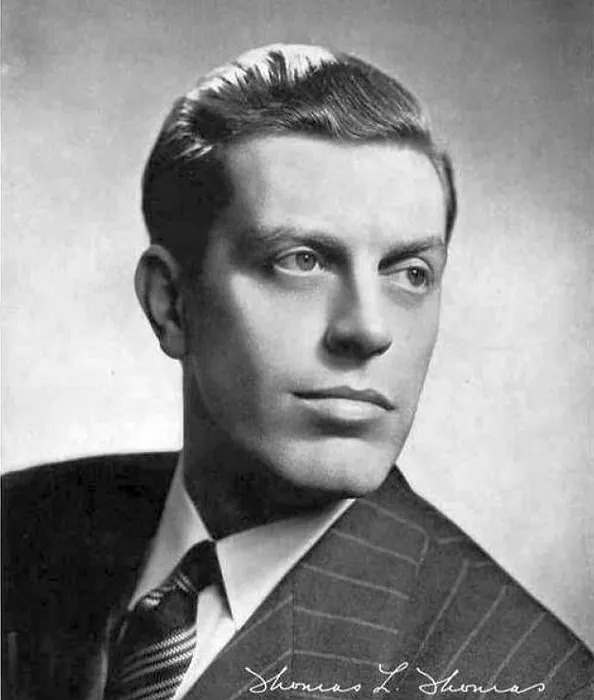
Thomas L. Thomas

Thomas L. Thomas

Baritone · 1911–1983

Born at Maesteg and taken to Scranton, Pennsylvania at twelve, Thomas Llyfnwy Thomas became the best-known Welsh-American baritone of his generation through the Voice of Firestone broadcasts. These sides were cut in 1944.

Studio portrait with facsimile signature, issued with his 1944 recordings
8 restored recordings
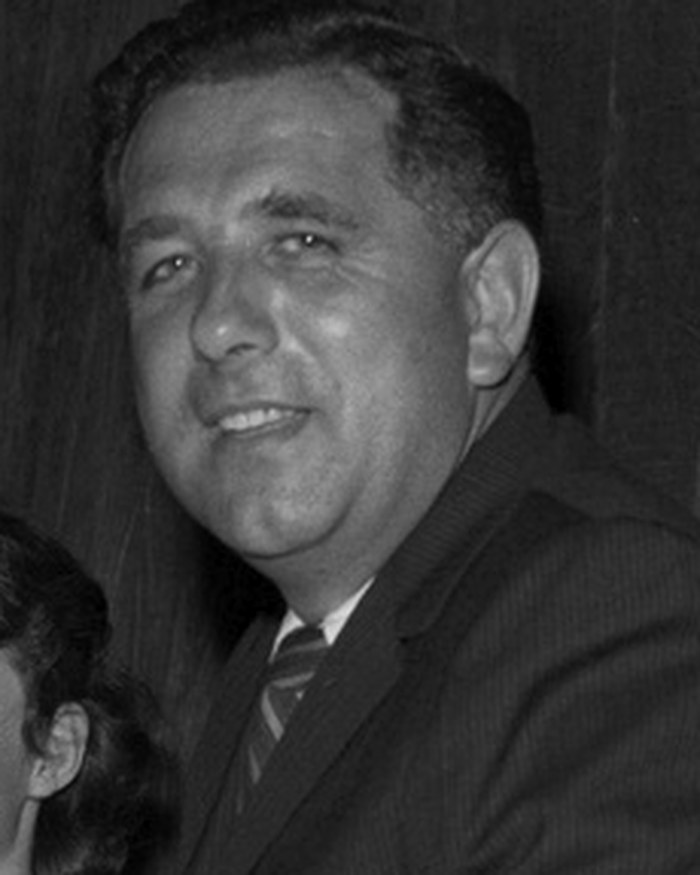
Meredydd Evans

Meredydd Evans

Tenor · 1919–2015

Known as Merêd — a light tenor with the singing group Triawd y Coleg who earned the nickname "the Bangor Bing" on BBC Radio, and a lifetime collector and performer of the folk song of Wales. Later Head of Light Entertainment at BBC Wales, and a leading campaigner for the Welsh language.

Detail — with his family on their return to Wales, 21 July 1960
2 restored recordings
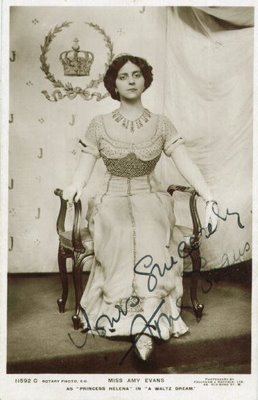
Amy Evans

Amy Evans

Soprano · 1884–1983

A soprano from Ynyshir, equally at home in oratorio, recital and opera, and one of the earliest Welsh voices put on disc. This studio portrait is signed and dated 1911.

Public domain
1 restored recording

Why some faces are missing

Early records were made to sell music, not to document the people who made it. Session players, regional singers and whole ensembles were often recorded without a single photograph being taken, and the handful of studio portraits that were issued were printed on the sleeves or on the discs themselves — which is why a few of the images here are the record rather than the person.

Where a photograph does survive we credit it and name whoever holds the rights. Most of these portraits are public domain, and a few are still in copyright — those are shown here as a documentary record of the performer and are credited to the holder; if you hold the rights to one and want it removed, ask and it goes. One artist is still shown with his disc rather than a photograph whose rights could not be cleared.

Every recording in this library is a restoration — playable in full, and cataloged on its own page.