
Turkish
Recorded in Constantinople/Istanbul and regional centres, 1900s–1930s
Turkish sides from the last years of the Ottoman musical world and the first of the Republic. Istanbul's studios pressed for a market that ran from Cairo to Chicago, and the small fasıl ensemble — oud, kanun, violin, clarinet — was the standard vehicle. What survives here is mostly instrumental: the taksim, the improvised solo that states the mode before the piece proper begins.
The players on these sides were not always Turkish by nationality. Ottoman classical music was a shared professional language, and Armenian and Greek musicians were central to it — which is why several of the same names appear in both the Turkish and the Armenian collections.
Istanbul, in their time
Constantinople in the last decades of the empire — the Grande Rue de Pera, the Monday market, and Galata from the bridge. Photographs by the Abdullah Frères, the Dutch national archive and the Library of Congress.
Press any photograph to open it full size — the player keeps going behind it.
Figures on record
Every card is a genuine photograph of the artist, credited to its source. Performers of this era often left no portrait behind — where none survives, we show nothing rather than a stand-in image. Pick a figure to pull their recordings up.
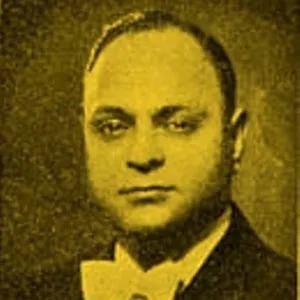
The clarinettist on the Turkish sides in this hearth, billed as 'Klarinet Şükrü'. Self-taught, and the model every Turkish clarinet player after him was measured against; he died on stage in 1962 while accompanying Zeki Müren.
Period photograph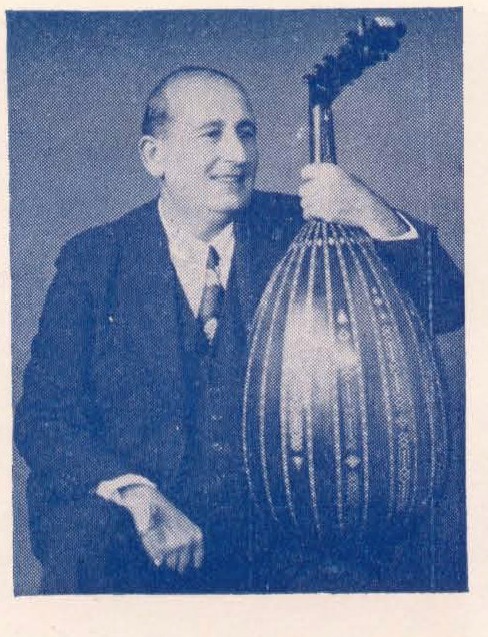
Armenian — Smyrna-born, known in full as Marko Melkon Alemsherian — and the master of the kef repertoire these sides belong to. He sang in Turkish, Armenian and Greek, and held long residencies on Eighth Avenue in New York after fleeing the Ottoman Empire in 1912.
With his oud, from his LP sleeve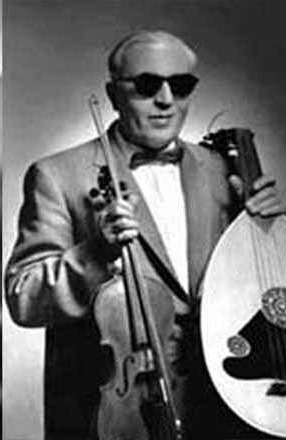
Armenian, born Hrant Kenkulian in Adapazarı and blind from infancy. His taksims on these sides are the model the whole Armenian oud tradition was measured against; he toured the United States from 1950 and conferred the title of udi on five American students in 1969.
With violin and oud 📰 The diamond drill (Crystal Falls,..., 1896-12-12 +2The music-makers and the dress
9 period photographs of this hearth's own music-makers and dress, every one dated from its source's own records. Pictures are shown as documentary record, credited to the holding collection; anything here is removed on request. Sources: Wikimedia Commons (9).
Press any photograph to open it full size — the player keeps going behind it.
Restored Recordings
Every track below is a remaster. Press play on the full sequence, or pick a single recording.
BELLS OF CONSTANTINOPLE; BLUE OF MEDITERRANEAN
Elazig-Cepik
HARMAND'ALI ZEYBEĞI
ODALISQUE (Turkish Dance)
PALACES; ZEYBEK; ISTANBUL NIGHT CLUB
Papuri
12 sides once grouped here are now filed under the tradition they belong
A side belongs to the tradition of its language and performance, not to the pool that happened to queue it. These were listed on this page before that was settled; each remains on the site, on the hearth it has been filed to.
- anchors aweigh
- Joe Candullo Everglades Orch Turkish Towel
- Johnny Hamps Kentucky Serenaders Turkish Towel
- Ney; van Hoogstraten - Mozart (HMV DB 4435-7) 1935
- THE Turkish Revery
- turkey in the straw
- TURKISH DELIGHT
- Turkish Patrol
- Turkish Towel
- W Tureckim Kabarecie (In A Turkish Cabaret)
- William H. Reitz - The Turkish Patrol
- YA-FU-ADEY GHAN-NEY
About the restoration
Every recording here is a historical track sourced from a public archive and remastered through a purpose-built chain — the same fixed chain for every file, no machine-learning enhancement. The aim is simple: sound better, and meet YouTube's audio standards. Rights status differs per recording and sources are credited where known; anything still in copyright is published with attribution and removed on request. The surface noise of the original transfer is still audible, because removing it completely would mean removing the recording too. How the restoration works →
Hear next door
These traditions sat beside each other on the shelf — recorded in the same cities, pressed by the same companies, and often sold to the same listeners. Follow the thread.